
When Mary Doesn’t Give Up on You: Our Lady of Coromoto
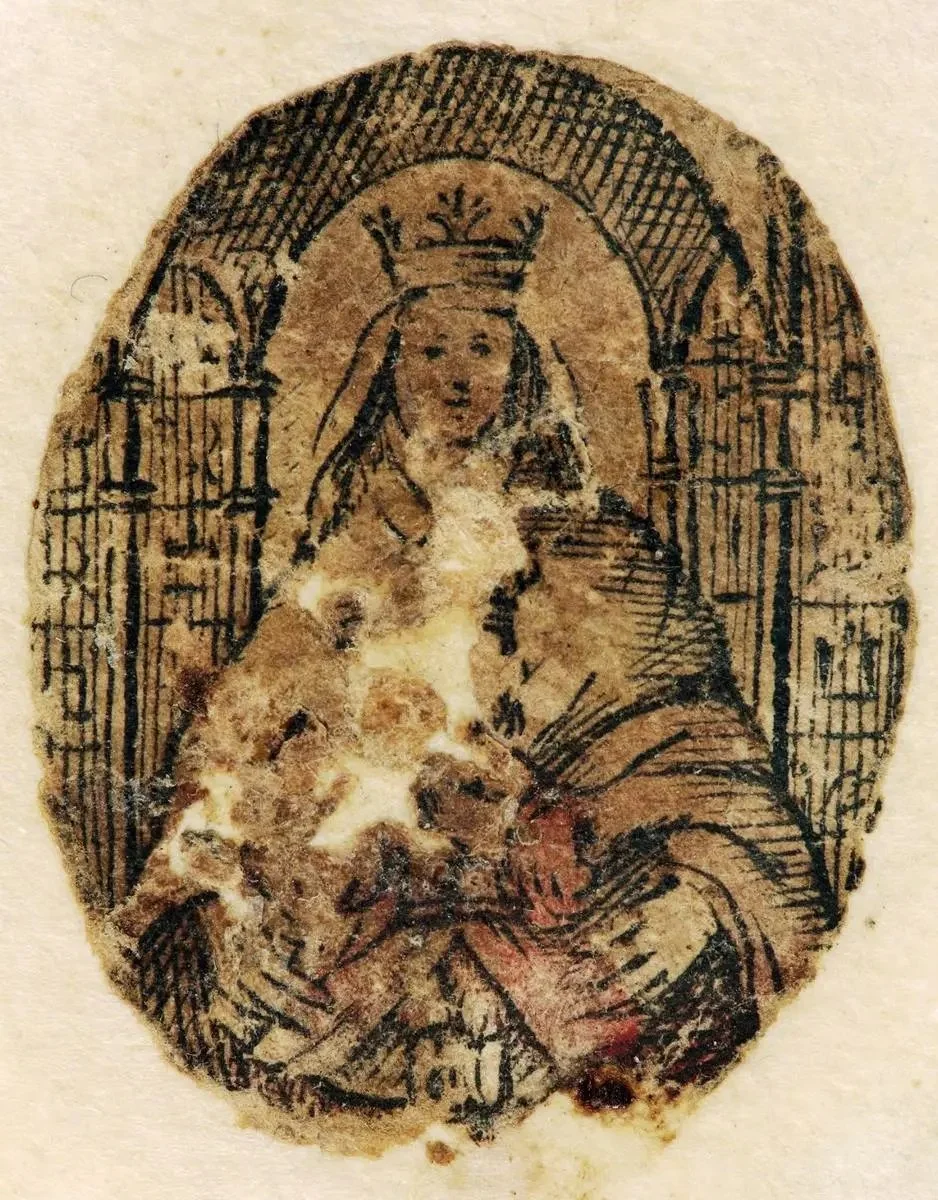
Sometimes God’s call feels inconvenient. Risky. Even threatening to the life we’ve carefully built. The story of Our Lady of Coromoto reminds us that running from our mission doesn’t make it disappear—it only delays the grace waiting for us on the other side.
In 17th-century Venezuela, the leader of the Coromoto people was unexpectedly chosen by Our Lady to help bring the Gospel to his tribe. Like Jonah fleeing God’s command, this chief tried—twice—to escape what Mary asked of him.
The first time Mary appeared, in 1651, she invited him to be baptized and to lead his people into the Christian faith. The chief listened… but only halfway. Afraid that becoming Christian might weaken his authority or change how others saw him, he refused baptism and discouraged his people from receiving it as well. Some went forward anyway. Many followed his hesitation.
A year later, in 1652, Mary returned. Once again, she gently asked him to be baptized. And once again, he resisted.
But Mary, like any loving mother, did not give up.
Before leaving, she placed in his hand a tiny image of herself holding the Child Jesus—no bigger than a fingernail. Not long afterward, the chief was bitten by a poisonous snake and seemed close to death. In that moment, everything became clear. Remembering Mary’s promise that baptism would lead him to heaven, he urgently asked to be baptized.
He survived. And his heart was changed.
Word of the beautiful Lady spread quickly, and devotion to her grew. Soon after the chief’s conversion, the rest of the Coromoto people were baptized as well. A church was built in Mary’s honor in the nearby town of Guanare in the 1700s, and centuries later, a shrine was erected at the very site of her second apparition. Today, both are minor basilicas, and the original tiny image—the relic Mary herself left behind—is preserved there.
That image is one of the most mysterious and intimate Marian relics in the world. When it was carefully studied during a restoration in 2009, experts discovered that its details—like the crowns worn by Mary and Jesus—perfectly reflect the indigenous culture of 17th-century Venezuela. Even more astonishing, the image does not appear to be painted on the paper. Like Our Lady of Guadalupe’s tilma, it seems to hover upon it, without ink soaking into the fibers. How it was made remains a miracle.
In 1942, the bishops of Venezuela declared Our Lady of Coromoto the nation’s patroness. Pope Pius XII confirmed this in 1949. She is celebrated on September 8, September 11, and February 2.
For young women today, her story carries a quiet but powerful message:
You can resist grace. You can hesitate. You can be afraid of what obedience might cost you. But Mary will keep showing up—patient, loving, and persistent—until you’re ready to say yes.
Our Lady of Coromoto, pray for us.